
Free Public Records New Hampshire gives people online access to government documents from all ten counties. These records go back to 1680, when the first land grant was recorded in Rockingham County. Today, many of these old papers—like handwritten ledgers, probate files, and early census sheets—are scanned into searchable PDFs. State agencies and private tech companies work together to run free online portals. Users can look up marriage licenses, property deeds, and voter lists without paying. Genealogists, reporters, and lawyers use these tools every day for research.
What Types of Records Are Available for Free?
New Hampshire splits public records into two main groups: personal and government files. Personal records cover life events like births, deaths, marriages, and divorces. Government records include tax data, land sales, court cases, crime stats, and inmate info. Most of these can be viewed online at no cost. But if you need a certified copy, the state charges a small fee—usually $5 to $10 per document.
Personal Records
Birth certificates are available from 1901 onward. Death certificates start in 1909. Marriage licenses go back to the 1950s and are kept by town clerks. Divorce records are also public but may require a court request. Since 1988, birth records are stored in NHVRIN, a digital system used by cities like Concord, Nashua, and Portsmouth. To get a certified copy, you must mail a notarized form to the Division of Vital Records in Concord.
Government Records
Property tax assessments come out each year from the Department of Revenue. Land deeds and mortgage records are managed by county registries—some go back to 1784. Voter registration lists update every November. The Criminal Justice Information Center shares weekly crime reports. The Department of Corrections runs a 24-hour inmate lookup tool. Courts in Dover, Manchester, and other towns let you view case files on public computers for free.
How to Search for Free Public Records in New Hampshire
Start with official state websites. The New Hampshire Department of State runs several free databases. You can search by name, date, or location. Some records, like old census sheets, are only available as scanned images. Others, like recent court dockets, are fully searchable text. Most sites let you download PDFs or print results at home.
Online Search Tools
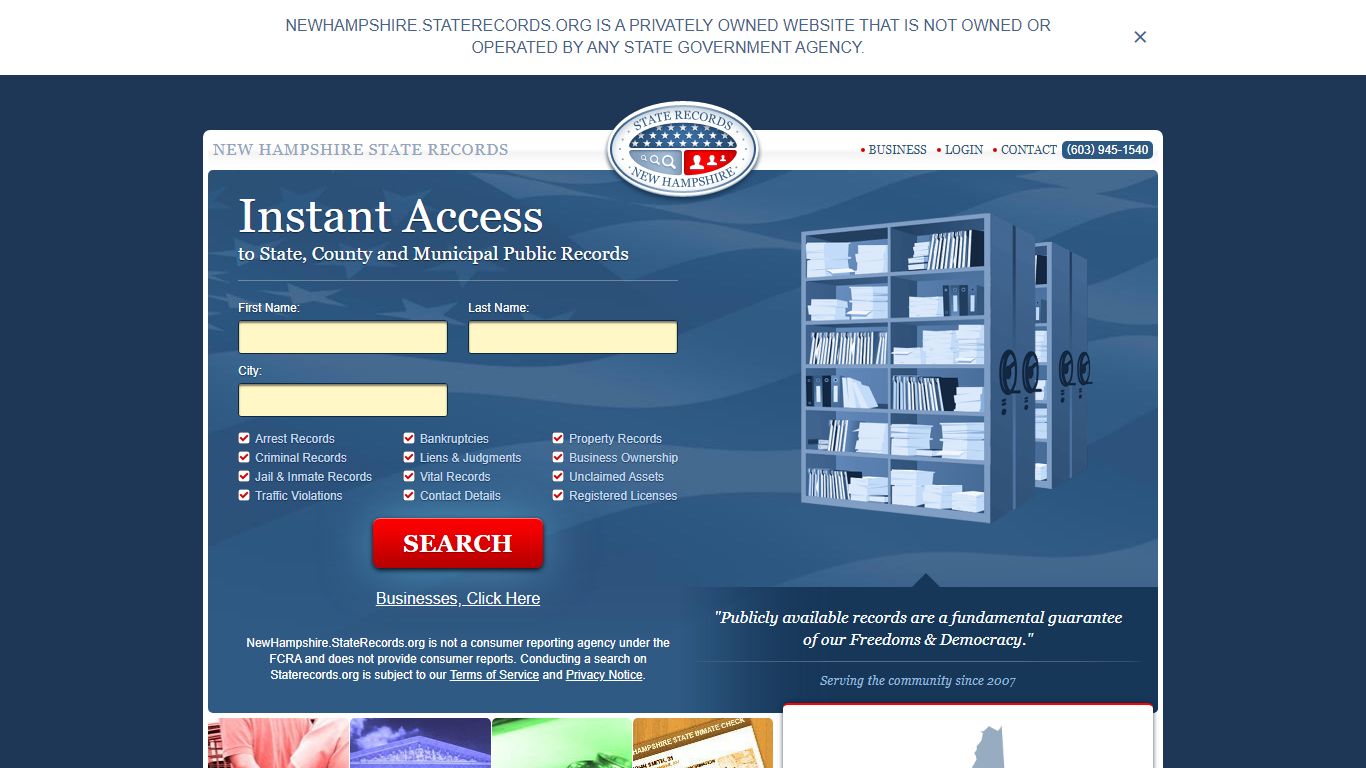
Use the StateRecords.org portal for a quick start. It links to vital records, court files, and inmate data. The OnlineSearches.com directory lists all major record types by category. For property info, check your county’s Register of Deeds website—many have online maps and parcel numbers. The Unclaimed Property Division posts quarterly lists of forgotten bank accounts and insurance payouts under $500.
In-Person Access
If you’re near Concord, Dover, or Manchester, visit a courthouse or town hall. Staff will help you use public terminals. Viewing is always free during business hours (usually 8:30 a.m. to 5 p.m., Monday through Friday). Bring ID if you plan to request copies. Some offices charge per page for printing—rates range from $0.10 to $0.25.

Court and Criminal Records
New Hampshire courts use the Integrated Court Records Management System (ICRMS) for most modern cases. You can pull up docket entries, motions, and judgments online. Older cases (before the 1990s) might need a written request to the county clerk. Belknap County handled over 12,000 civil filings in 2023; Carroll County processed nearly 9,000 criminal cases.
Confidential Court Cases
Not all court files are open. Juvenile cases, abuse investigations, and grand jury records are sealed by law. Search warrant applications that haven’t been used are also private. Protective orders can hide financial details in civil lawsuits. If you’re unsure, ask the clerk if a case is public before filing a request.
Arrest and Inmate Records
To get someone’s arrest history, send $25 and fingerprint cards to the Central Repository in Concord. Walk-ins are welcome at the Department of Public Safety. Nonprofits pay only $10 with proof of tax-exempt status. The Inmate Locator shows custody status, release dates, and parole info for state prisons like the Northeast Regional Correctional Center.
Vital Records and Certifications
The Division of Vital Records Administration issues birth, death, marriage, and divorce certificates. Requests must include a notarized form, government ID, and payment. Standard processing takes 2–5 days; expedited service adds a few more days. Fees are $7 for a birth certificate duplicate and $10 for certified vital records.
Historical Records
Older documents cost more. Birth records from before 1988 may need a $25 archival fee. Death and burial records from 1654 to 1947 are digitized—over 580,000 entries—and available as high-res TIFF images. Town clerks in upgraded offices can verify social security numbers and causes of death for deaths after 1990.
Military and Veteran Records
Burial permits and headstone inscriptions for veterans are kept at the State Veterans Cemetery. Service records are not fully public due to privacy laws, but next-of-kin can request them with proper documentation.
Property and Land Records
Each county’s Register of Deeds maintains online indexes of property transfers. Cheshire County’s records date to 1784 and include sale prices, parcel numbers, and liens. The Department of Revenue publishes annual tax assessments for every town. You can search by owner name, address, or map ID.
GIS and Mapping Tools
The statewide GIS parcel map is available through a secure portal for high-volume users. Most people use free county websites to look up lot sizes, zoning, and ownership history. Some towns offer interactive maps with aerial photos and boundary lines.
Unclaimed Property
The State Treasurer’s Office lists unclaimed funds like dormant bank accounts and utility deposits. Search their quarterly reports online. If you find a match, submit a claim with ID and proof of ownership. There’s no fee to search or claim.
Environmental and Public Safety Data
The Department of Environmental Services shares water quality reports, hazardous waste sites, and air emissions data from 1995 onward. These are free to download as PDFs or spreadsheets. The Department of Safety runs the Sex Offender Registry, which includes address histories and compliance status.
Crime Statistics
Weekly crime stats come from the Criminal Justice Information Center. They cover arrests, offenses, and locations across the state. Local police departments also post daily logs online. Researchers can request bulk data for analysis.
Inmate and Parole Information
The Inmate Information System updates every 24 hours. It shows who’s in custody, where they’re held, and when they might be released. Parole board decisions are posted after hearings. Families can sign up for email alerts about inmate status changes.
Fees and Request Procedures
Viewing records is always free. Copying them costs money. Certified court copies are $5. Birth certificate duplicates are $7. Vital record certifications are $10. Some agencies charge per page: $0.10 for environmental reports, $0.25 for bridge logs. Electronic delivery is rare—only big datasets like GIS maps are sent digitally.
How to Pay
Most offices accept cash, check, or money order. Online requests may use credit cards. Always include your name, contact info, and record details with payment. Mail requests to 71 South Fruit Street, Concord, NH 03301.
Processing Times
Standard requests take 2–5 business days. Expedited service can take up to 10 days. Historical or archived records may need extra time—up to 30 days in some cases. Call ahead to check wait times.
Legal Rights and Exemptions
New Hampshire’s Right-to-Know law lets anyone inspect public records during office hours. You don’t need to say why you’re asking. However, some files are exempt: juvenile cases, ongoing investigations, and personal medical info. Agencies must respond within 5 business days. If they deny your request, you can appeal to the courts.
Who Can Access What
Anyone can view most records. But certified copies of vital records require ID and sometimes a notarized statement. Minors’ records are restricted to parents or legal guardians. Employers doing background checks must follow federal Fair Credit Reporting Act rules.
Common Misconceptions
Many think all records are online—but only recent ones are digitized. Others believe copies are free—they’re not. Always check the agency’s fee schedule before submitting a request.
Tips for Researchers and Journalists
Start broad: use free portals to find names, dates, and locations. Then narrow your search with specific keywords. Cross-reference court cases with property records or voter lists for deeper insights. Save screenshots or PDFs as evidence. If a record is missing, ask the clerk—it might be in storage or pending digitization.
Genealogy Research
Use the State Library’s Genealogy Center for old census sheets and probate files. Birth and death records before 1900 are especially valuable for family trees. Many are scanned and tagged by name and location.
Legal Research
Lawyers use ICRMS to track case histories and judge rulings. Public terminals in courthouses let you print dockets for free. For sealed cases, file a motion with the court to request access.
Contact Information and Office Hours
Division of Vital Records Administration
71 South Fruit Street
Concord, NH 03301-2410
Phone: (603) 271-4648
Hours: Monday–Friday, 8:30 a.m.–4:30 p.m.
Department of Public Safety – Central Repository
33 Hazen Drive
Concord, NH 03305
Walk-in inquiries: Room 106, 8:30 a.m.–4:00 p.m.
Frequently Asked Questions
People often ask how to get free public records in New Hampshire, what fees apply, and which documents are confidential. Below are clear answers based on current state laws and procedures.
Can I get a birth certificate for free in New Hampshire?
No, you cannot get a certified birth certificate for free. Viewing basic info online is free, but certified copies cost $7. You must submit a notarized request with ID to the Division of Vital Records. Processing takes 2–5 days. Uncertified printouts from online portals are not legal for official use.
Are criminal records public in New Hampshire?
Yes, most arrest and conviction records are public. You can search inmate data online for free. To get a full arrest history, send $25 and fingerprints to the Central Repository. Sealed cases, like juvenile offenses, are not available without a court order.
How far back do New Hampshire property records go?
Land records date to 1784 in some counties, like Cheshire. These include deeds, mortgages, and sale prices. Tax assessments are annual and go back decades. Older documents may be on microfilm or in storage—request them in person at the Register of Deeds.
Can I search court records online for free?
Yes, most modern cases are in the ICRMS system and searchable online. Older files may require a visit to the courthouse. Juvenile, abuse, and grand jury records are confidential. Always check with the clerk if you’re unsure about access.
What is the Right-to-Know law in New Hampshire?
It gives everyone the right to inspect public records during business hours. Agencies must respond within 5 days. Fees for copies are set by the state. Some records, like medical or ongoing investigation files, are exempt. Denials can be appealed in court.
How do I claim unclaimed property in New Hampshire?
Search the State Treasurer’s quarterly reports online. If you find a match, submit a claim with ID and proof of ownership. There’s no fee. Claims are processed in 30–60 days. Common items include forgotten bank accounts and insurance payouts under $500.
Are sex offender registries public in New Hampshire?
Yes, the Department of Safety publishes address histories and compliance status online. This info is free to view. It’s updated regularly and used for community safety. However, misuse of the data is illegal under state law.